Warm Afternoons, Easy Dinners, Happier Lunchboxes

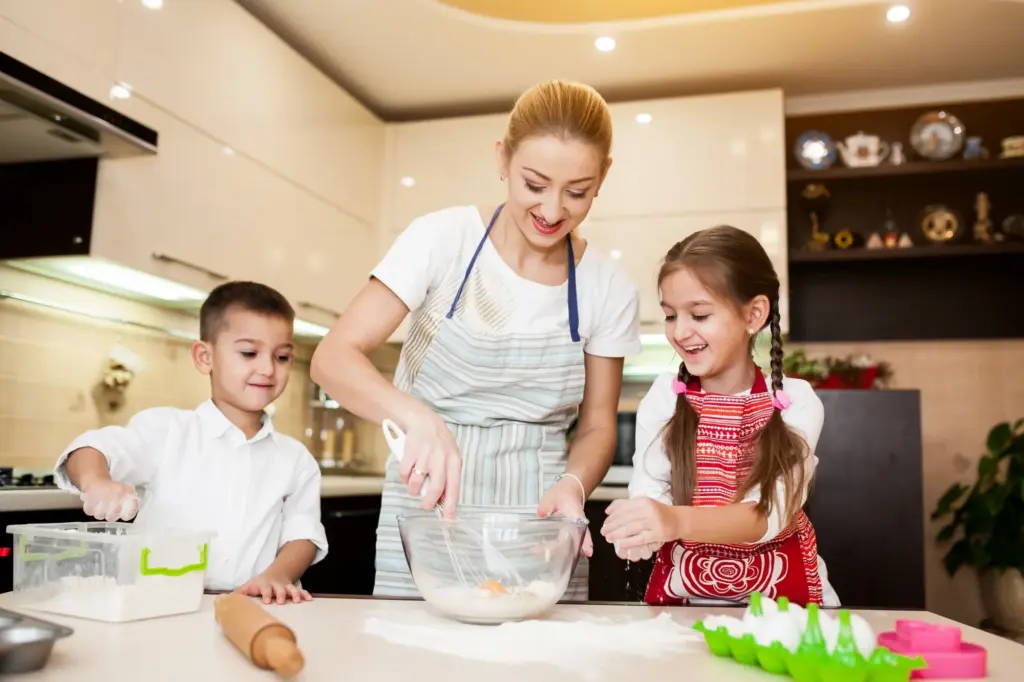
Today we’re diving into Oven Meal Prep After School: Packable Lunches Kids Can Help Make, turning busy afternoons into cozy, hands-on moments that set up stress-free mornings. With simple trays, safe tasks, and bright flavors, children learn skills, pride, and patience, while adults gain reliable leftovers that travel beautifully. Share your family’s favorite trays in the comments, swap ideas with others, and subscribe for new kid-powered, oven-baked lunchbox inspirations each week.

An After‑School Rhythm That Invites Helping Hands
A gentle routine helps kids transition from homework to helpful kitchen roles, channeling their post-school energy into meaningful participation. Preheat the oven, assign fun-sized responsibilities, and set clear expectations. The structure reduces chaos, builds independence, and sparks conversation, while the promise of tomorrow’s tasty lunch keeps motivation high and everyone joyfully involved.

Safety First, Confidence Always

A confident young helper is a careful helper. Establish heat boundaries, tool rules, and teamwork signals before any tray moves. Practice with cold pans to rehearse mitt placement and two-hand carrying. Consistency builds trust, and trust builds independence. When everyone understands the plan, the kitchen hums, accidents drop, and pride rises beautifully.

Sheet‑Pan Combos That Transform Into Lunch

One tray, many possibilities: build dinners that morph into balanced, exciting school meals. Roast proteins and vegetables side by side, add a starch for staying power, and plan sauces separately to keep textures lively. With smart seasoning, leftovers reappear as wraps, bowls, or skewers—familiar yet new, encouraging kids to actually finish every bite.

Rainbow Veggie Nacho Bites

Roast bell peppers, cherry tomatoes, and black beans on a single tray with cumin and smoked paprika. For dinner, serve over tortillas with a quick yogurt-lime drizzle. Tomorrow, pack cooled veggies atop mini pita rounds, add shredded cheese separately, and include a lemon wedge. Colors invite curiosity, and crunch survives with careful layering.

Mini Meatball and Roasted Grape Skewers

Bake small turkey meatballs alongside grapes tossed with olive oil and thyme. The grapes blister, turning jammy-sweet, balancing savory bites. Dinner pairs with couscous; the next day, alternate meatballs and grapes on short skewers, including a sealed side of herbed labneh. Kids adore the playful assembly, and protein remains tender, never chalky.

Crispy Tofu Nuggets with Sweet Potato Coins

Coat tofu in cornstarch and sesame, arrange beside thin sweet potato rounds, and roast until golden. Serve warm with scallion rice. For lunchboxes, pack cooled nuggets with a tiny container of teriyaki or peanut-free satay, plus cucumber sticks. The contrast of sweet, savory, and fresh textures keeps every mouthful interesting and satisfying.

Bake Once, Pack Twice

Portion While It’s Warm, Cool Correctly

As soon as trays leave the oven, move tomorrow’s portions into shallow containers for faster cooling. Vent briefly, then seal and refrigerate within two hours to maintain safety. Kids can place stickers marking whose box is whose, reinforcing ownership. Proper cooling preserves texture, prevents mush, and maintains flavors that sing at lunchtime.

Flavor Bridges for Tomorrow’s Bite

Choose seasonings that taste great hot and cold: lemon zest, smoked paprika, garlic powder, and mild chili combine reliably. Prepare a quick finishing oil or vinaigrette to revive chilled edges. Kids can shake dressings in jars, hearing the satisfying percussion. Bright bridges connect dinner comfort to lunchbox excitement without overwhelming young palates.

Labels, Notes, and Little Stories

Invite kids to name their creations and write tiny adventure notes: Rocket Fuel Meatballs or Garden Treasure Coins. Slip encouraging messages beneath lids. Labels reduce cafeteria confusion, inspire trades less, and make children eager to show friends their handiwork. Storytelling transforms leftovers into proud souvenirs from last night’s shared kitchen adventure.

Protein That Stays Tender

Choose turkey, salmon, beans, or tofu prepared with moisture‑protecting marinades and gentle oven heat. Slice smaller for even cooking and better lunchbox bites. Pack sauces separately to prevent sogginess. Explain to kids how protein helps muscles and thinking power. When tenderness remains, they finish meals happily, staying energized through reading, recess, and art.

Crunch That Still Crunches

Roast vegetables with space between pieces, then cool on racks so steam escapes. Pack crisp elements like seeds, croutons, or snap peas in a separate compartment to sprinkle at lunch. Invite kids to decide what gets added last. Their ownership protects textures, making each bite surprisingly lively, even hours after leaving the fridge.

Sauces, Dressings, and Safety Zones

Use leakproof minis for ketchup, yogurt dips, or vinaigrettes. Explain why acidic dressings brighten flavors and why dairy sauces need cooling. Teach a simple rule: cold stays cold, hot stays hot. Kids who understand temperatures guard their own lunch safety, building lifelong habits alongside delightful tastes and confident, independent mealtime decision making.

Packing Like a Pro, Even on Sleepy Mornings
Smooth mornings are earned the night before. Stage containers, napkins, and ice packs near the fridge, and place lunchboxes at kid height. Create simple visual checklists so children proudly confirm compartments: protein, veg, fruit, grain, fun. This collaborative system saves minutes, prevents forgetfulness, and sends everyone out the door calmer and happier.

Container Choices with Purpose

Select divided boxes for texture control, thermoses for warm grains or soups, and small leakproof cups for dips. Transparent lids help kids preview their wins. Color‑coding by child avoids morning mix‑ups. Let them practice snapping lids until muscle memory clicks. The right container transforms yesterday’s roast into today’s irresistible, tidy, brag‑worthy lunch.

Layering That Defies Sogginess

Teach bottom barriers like greens or grains, then stack roasted items, keeping sauces in separate minis. For wraps, line with cheese or hummus to shield moisture. Kids love building like engineers, counting layers as they go. Thoughtful stacking preserves crunch, protects bread, and ensures first bites taste as great as the final crumbs.
Tavonilopirasira
Privacy Overview

This website uses cookies so that we can provide you with the best user experience possible. Cookie information is stored in your browser and performs functions such as recognising you when you return to our website and helping our team to understand which sections of the website you find most interesting and useful.