Little Bakers, Big Discoveries After the Bell
Today we explore Baking Science for Kids: Understanding Heat, Rise, and Timing After Class, turning curious afternoons into delicious discoveries. We will test how heat travels, see batters puff with bubbles, and practice minutes that matter, then share questions, pictures, and proud results with our growing kitchen community.
How Heat Moves and Why Cookies Care
Every tasty batch begins with heat behaving nicely. We will notice how metal pans pass warmth, how moving air surrounds cupcakes, and how radiant coils toast surfaces. Preheating, rack height, and shiny versus dark pans change spread, browning, and crunch, while safe mitts and careful spacing keep little scientists confident.
Conduction, Convection, Radiation Explained Simply
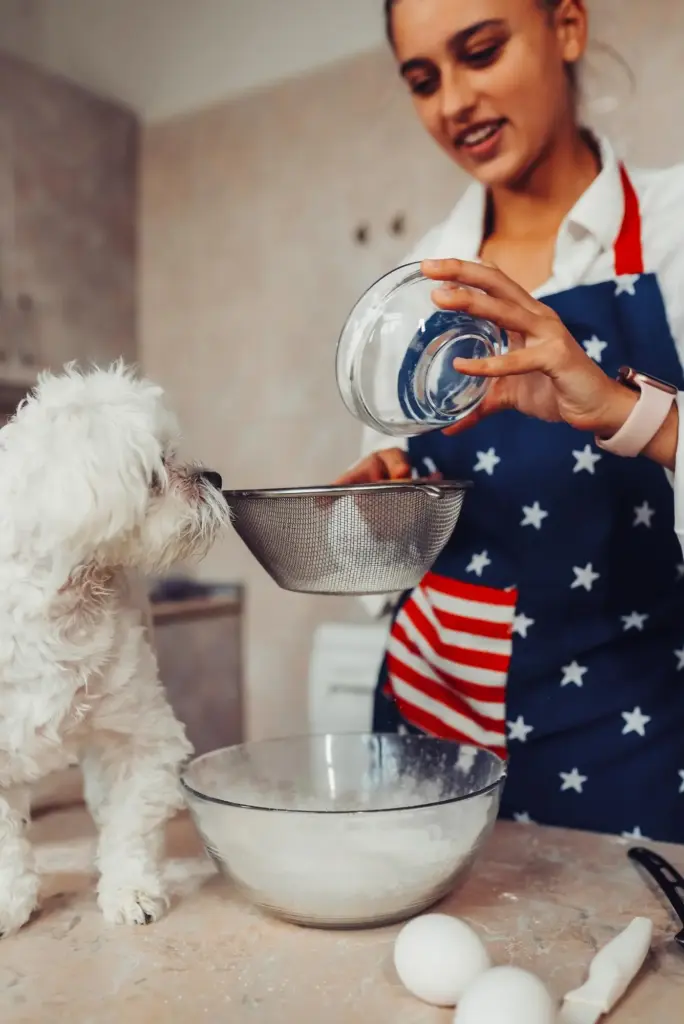
Picture a cookie on a hot sheet where conduction moves energy bite by bite. Imagine oven air currents carrying warmth in swirls called convection. Feel radiant heat from glowing walls. Comparing these three explains edges crisping, centers setting, and why rotating trays makes fairness delicious.
Pans, Racks, and Airflow: Small Changes, Big Bakes
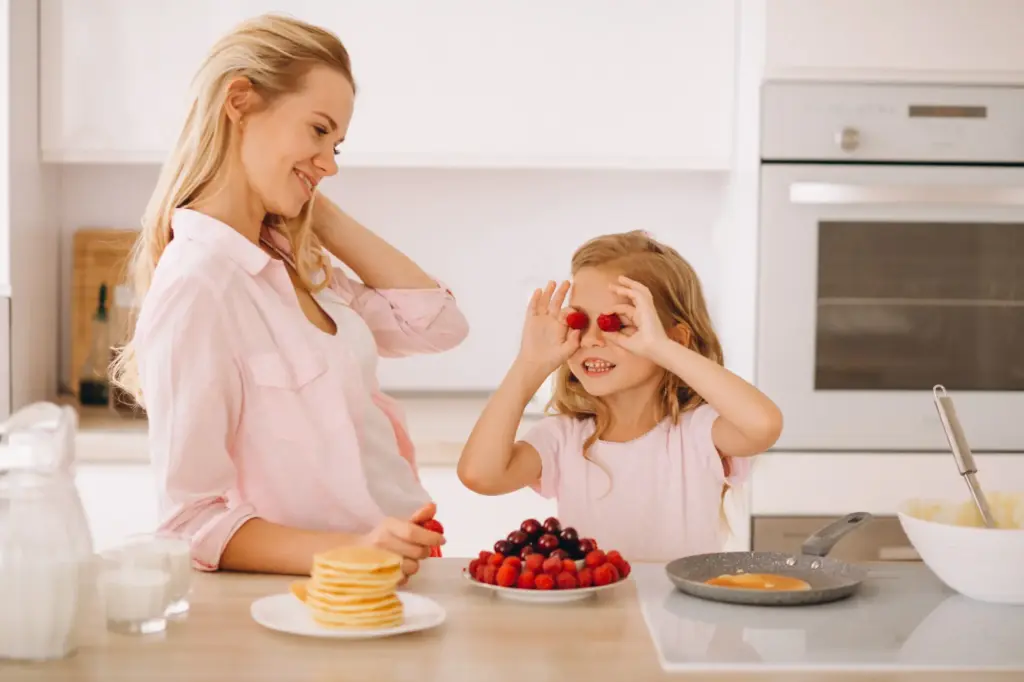
Rack positions change how much top heat kisses muffins, while pan color shifts absorption dramatically. Crowding blocks airflow, so cookies steam instead of caramelize. One simple test batch, measured in rows and notes, turns mystery into repeatable confidence for every pan, rack, and recipe you try.
Lift Off: Yeast, Bubbles, and Steamy Surprises
Rising feels magical until you learn the friendly science hiding inside bubbles. Yeast feasts on sugars and breathes carbon dioxide, chemical leaveners fizz when acids meet bases, and steam expands dramatically. Managing temperature, moisture, and patience gives breads loft, pancakes fluff, and pastries those irresistible layers.
Timing You Can Taste
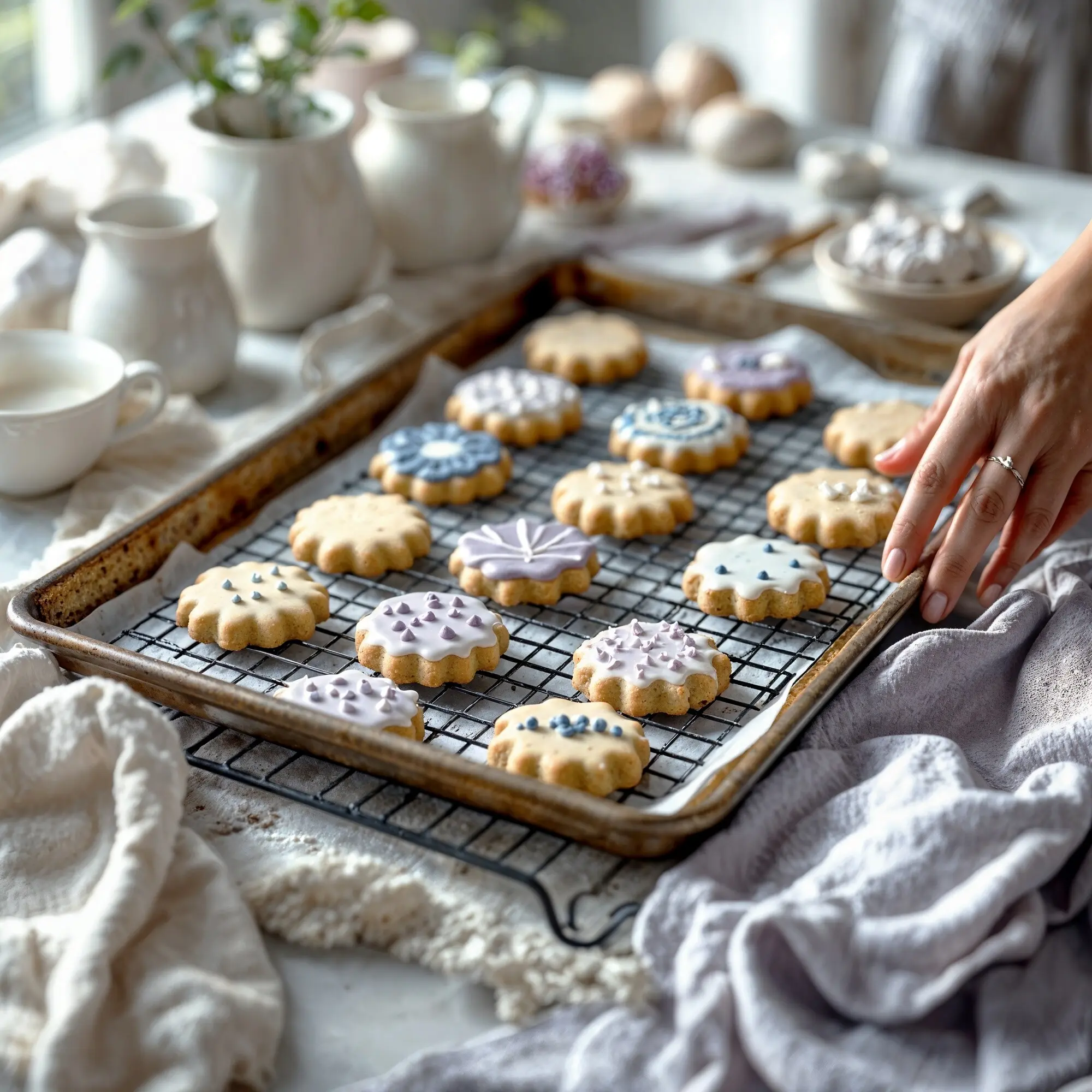
Minutes matter as much as ingredients. Rest lets flour drink water and gluten relax, while overmixing steals tenderness. Watch clues more than clocks: aromas deepen, colors shift, and edges firm. Remember carryover cooking after removal, and cool on racks so steam escapes instead of sogging treats.
After-Class Experiments You Can Try Today
Cupcake Heat Map with Colored Batter
Mix three small bowls of vanilla batter, tint them different colors, and place cups across the rack. Note how edge cupcakes bake faster and dome differently. Draw a heat map, switch positions next round, and celebrate turning swirling air into pictures you can eat.
Balloon Bread: Watching Gas Happen
Warm water, a spoon of sugar, and yeast in a bottle inflate a balloon as bubbles collect. Compare chilly, cozy, and hot setups to see which works best. Graph heights over minutes, discuss enzymes at work, and name your bravest, bubbliest bottle champion.
Cookie Timing Ladder for Crunch Versus Chew
Line up cookie dough balls, baking each row for slightly different minutes. Taste and record how chewiness, crumb, and color evolve. Decide your personal sweet spot, then share the chart so friends can pick crispy edges, tender centers, or something perfectly in between.
Flour Strength, Hydration, and Gentle Kneading
Higher-protein flours make sturdier webs; lower-protein blends keep cakes soft. Hydration levels guide texture, too. Stretch dough gently and rest to relax strands. A windowpane test becomes magical when light shines through, proving structure without rough handling that could squeeze away precious gases.
Butter, Oil, and Emulsions That Hold Things Together
Creaming butter with sugar traps tiny air, while oils keep quick breads pleasantly moist. Emulsifiers in eggs hug water and fat so batters stay smooth. Temperature matters greatly; cool butter crumbles, soft butter fluffs, melted butter shortens, and each choice changes lift, bite, and balance.
The Day Our School Oven Ran Hot and We Sleuthed the Clues
Our class once noticed cookies browning unevenly, so we set toast around the rack and photographed shades. The back left corner ran hottest, confirmed twice. Marking a tiny arrow on the dial and rotating sheets halfway transformed results and confidence for everyone, especially new bakers.
Grandma’s Two-Timer Trick That Saved Cinnamon Rolls
My grandmother ran two timers: one for the recipe, the other five minutes earlier for checking aroma and color. Her rolls never burned, even in a moody oven. Borrow this habit, plus cooling on racks, and your household will trust your bakery-level timing judgment.
All Rights Reserved.