Safe Hands, Warm Ovens: After-School Confidence for Young Cooks
After school, energy runs high and hunger knocks. We’re focusing on Oven Safety 101 for Young Chefs: A Parent’s After-School Guide, turning busy afternoons into calm, teachable moments. Expect clear routines, engaging scripts, and practical tools that help kids handle heat respectfully, understand risks without fear, and master delicious, simple bakes while you supervise with ease, connection, and joy. Share your family’s favorite after‑school bake or subscribe for weekly safety mini‑drills that make learning stick.
The Five-Minute Safety Sweep
Walk the counter, remove paper, dish towels, and packaging, push handles inward, and send pets or younger siblings to a safe spot. Confirm oven racks are positioned while cold, mitts are dry and reachable, and a clear landing zone is ready beside the stove for hot trays.
Gear That Guards Small Hands
Choose full-coverage oven mitts that extend above the wrist, snug-fitting sleeves, and non-slip step stools with rails. Add a reliable thermometer, rimmed sheet pans, silicone mats to prevent sliding, and a bright, magnetic timer kids control so attention stays anchored and predictable throughout each step.
Boundaries That Build Confidence
Mark a hot zone in tape around the oven where only the responsible helper steps during transfers. Practice a call-and-response: child narrates actions; adult confirms or redirects. Make one rule unbreakable—ask before turning a knob—so trust grows alongside independence and meals stay wonderfully uneventful.
Preheating With Purpose
Explain that preheating stabilizes temperature for even cooking and safe timing. The child presses start, states the target temperature aloud, and waits for the signal without opening the door. Watching through the light, not the gap, becomes a proud habit that protects wrists and bakes beautifully.
Racks, Rails, and Reach
Adjust racks only when the oven is cool, using two hands and steady footing on a secure stool. During transfers, pull the rack slightly out with mitts first, then move pans with elbows high and face back. Announce actions clearly so helpers synchronize and hazards stay visible.
Steam, Sizzles, and Safe Distance
Teach that invisible steam can burn faster than bright surfaces. Crack the door slightly while stepping aside, count two beats, then open fully. Vent covered dishes away from the body, keep dry mitts only, and never lean forward to sniff; aromas meet you after heat settles.
Working With Heat: Skills That Stick Without Scaring
Children absorb safety best through repeatable, respectful routines. Teach what heat does, how air moves inside a closed space, and which cues signal readiness. Replace vague warnings with specific actions, brief scripts, and body positions that keep faces back, fingers clear, and attention settled exactly where it matters.
Sheet-Pan Suppers Kids Can Lead
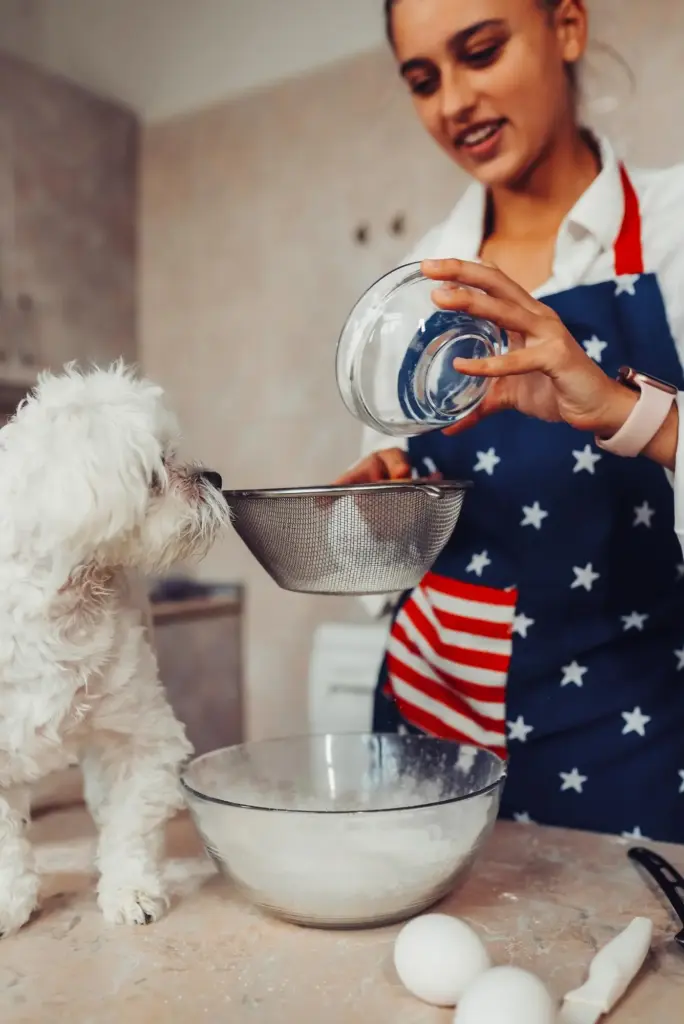
Toss bite-sized vegetables with oil and salt in a cold bowl, spread on a rimmed sheet, and add pre-cut protein like tofu cubes or thin chicken strips on a separate zone. One transfer, one timer, and dinner emerges without stirring near heat or juggling multiple pans.
Baking Without Drama
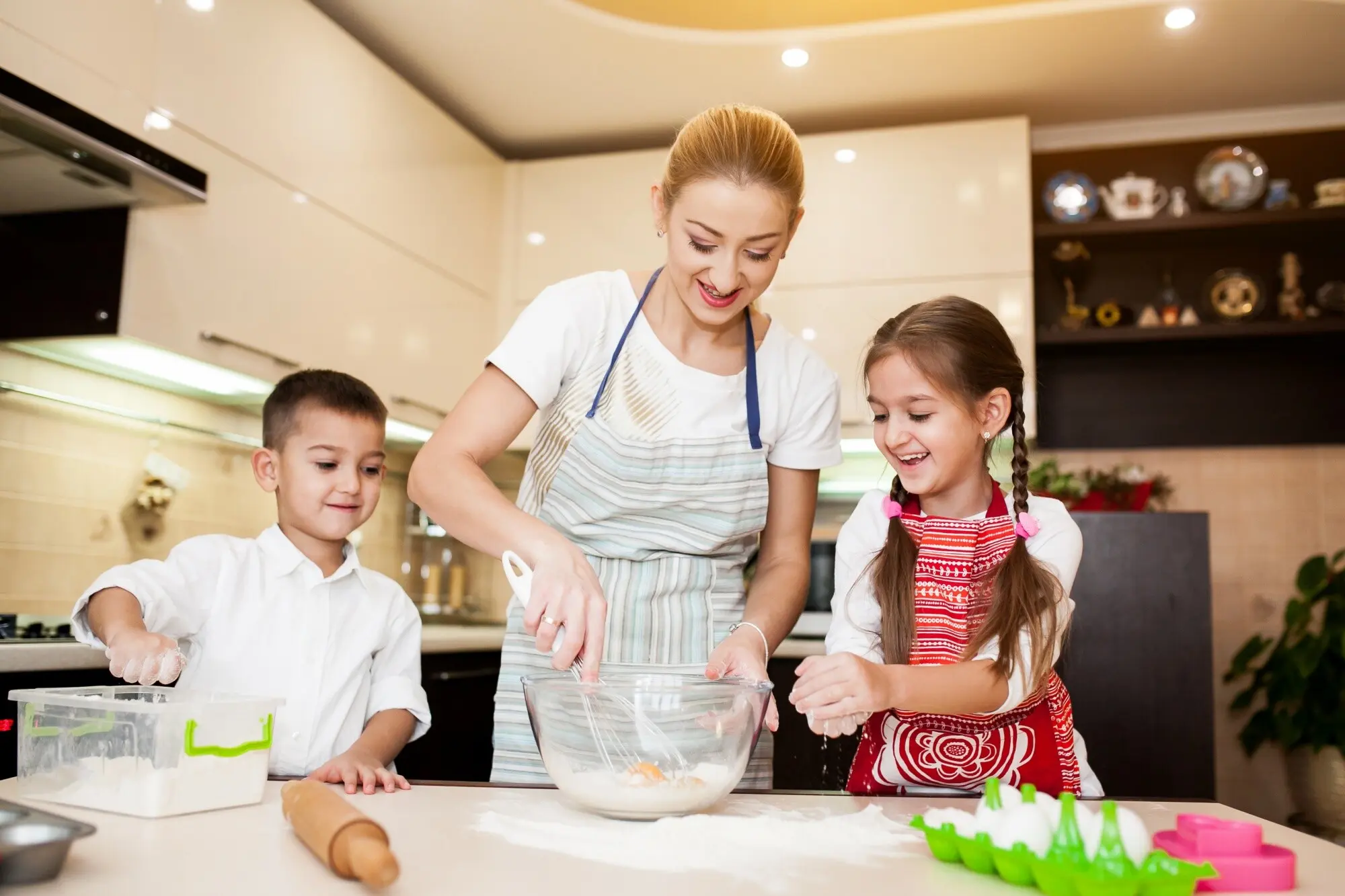
Choose sturdy batters for muffins, banana bread, or simple flatbreads that tolerate small measuring slips. Kids mix on the table, portion with scoops, and slide trays onto a pre‑pulled rack. Cooling racks wait far from edges, preventing curious fingers from touching hot metal during celebratory sniffs.
Supervision That Empowers, Not Hovers
{{SECTION_SUBTITLE}}
The Two-Voice Check
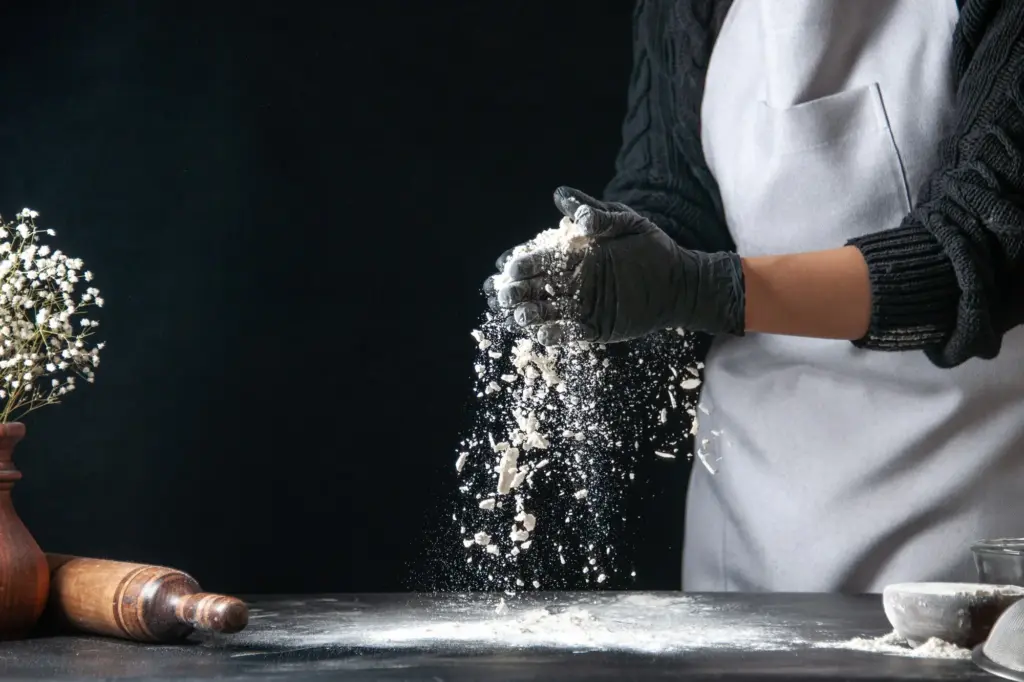
Invite kids to say actions before doing them: open, pull, place, close, timer. Echo back concise confirmations or corrections. This short script reduces misunderstandings, slows hurried hands, and transforms supervision into teamwork where attention rises, dignity remains intact, and safety becomes a shared, repeatable habit.
Timers, Signals, and Predictable Routines
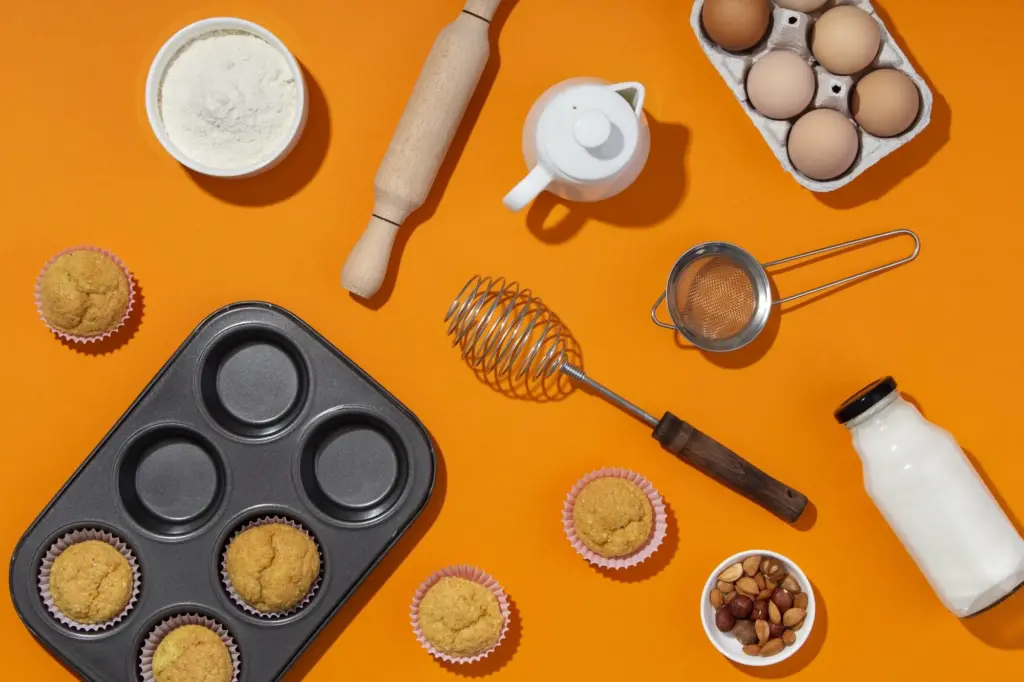
Let children set the timer, choose an oven‑light signal, and own the verbal countdown when it dings. Predictability calms jitters and stops impulsive peeking. Pair sounds with positions—hands behind back when watching, mitts ready when opening—so each cue triggers an automatic, well-practiced motion that protects everyone.
What-Ifs and Quick Responses
Preparation includes rehearsing unlikely moments so nobody freezes. You’ll learn to cool minor burns correctly, manage smoke without panic, and respond to flare-ups using simple, memorable steps. Practiced responses shorten danger, protect dignity, and reassure young cooks that adults are steady partners under pressure.
Small Burns, Swift Care
Cool the area under cool running water for twenty minutes, remove rings or tight items, and avoid ice, butter, or toothpaste. Cover loosely with a sterile, non‑adhesive dressing. Seek medical help for deep, large, or facial burns, and call emergency services if breathing, shock, or confusion appears.
If Something Smokes or Ignites
Keep the oven door closed to starve flames, turn the appliance off, and step back. Do not open to check. If smoke persists, call emergency services and evacuate as advised. Use a proper extinguisher only if trained and safe; never throw water onto hot fat.
Building a Safety Culture That Sticks
Rituals, reflection, and recognition turn scattered tips into lifelong instincts. Keep a simple log, rotate responsibilities, and let kids teach back what they learned. Joyful accountability turns careful habits into pride, so ovens become partners in creativity rather than unpredictable boxes that demand constant warnings.

All Rights Reserved.